Phenomenology
Phenomenology studies conscious experience as it is lived and perceived.
 A
A
The God Model in Plato's Philosophy
This article analyzes Plato’s conception of God as an organizing and rational principle rather than a creator ex nihilo, emphasizing the role of the Demiurge, the doctrine of ideas, the immortality of the soul, and the relationship between divine order and human knowledge.
Read Full Text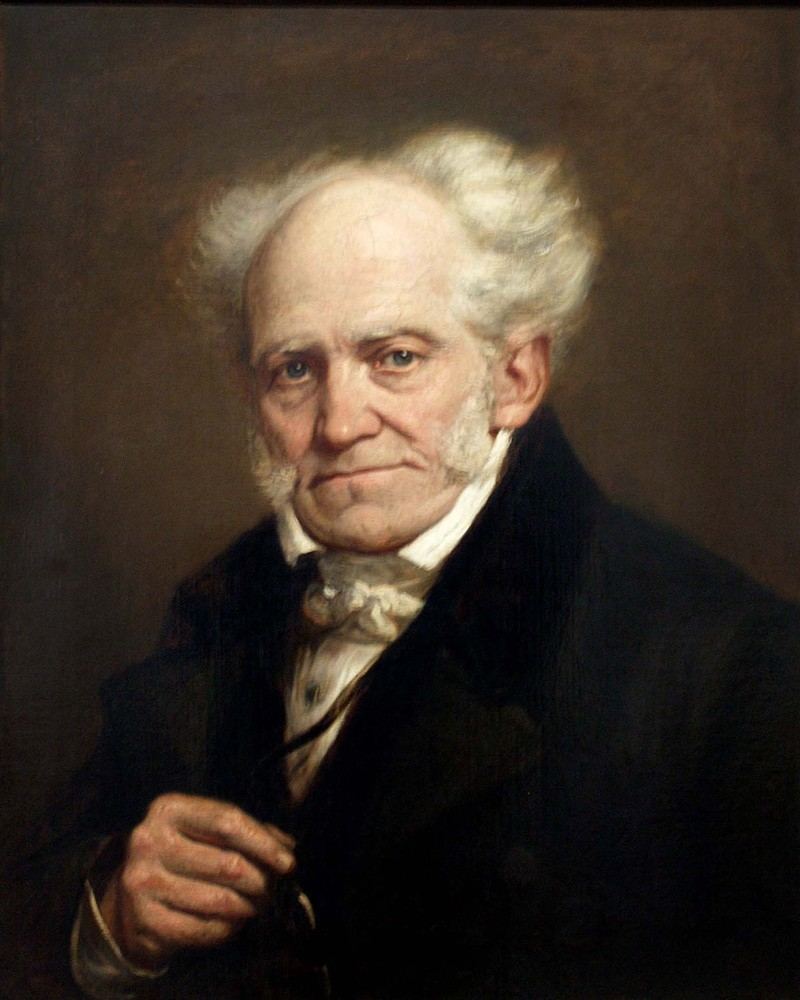 A
A
The Wisdom of Life - Arthur Schopenhauer
This article explores Arthur Schopenhauer’s conception of happiness through self-sufficiency and character, arguing that while absolute happiness is impossible, inner peace and reduced suffering can be achieved by lowering expectations, understanding one’s nature, and cultivating mental engagement.
Read Full Text A
A
The Stranger - Albert Camus
This article examines the idea that exaggerated thoughts arise not from human weakness but from the power of the unknown, drawing on Albert Camus’ insight in The Stranger to analyze fear, belief, superstition, and social perception.
Read Full TextGod Does Not Know Particulars; The Avicenna–Ghazālī Debate [2]
Ghazālī’s criticisms of Avicenna’s account of divine knowledge are examined through the problems of prayer, justice, prophecy, and the relationship between God’s knowledge and time.
Read Full TextGod Does Not Know Particulars; The Avicenna–Ghazālī Debate [1]
A brief philosophical examination of what is meant by the claim attributed to Avicenna that “God does not know particulars,” focusing on divine knowledge, the universal–particular distinction, and Ghazālī’s objections to this view.
Read Full Text