Metaphysics
Metaphysics examines the most fundamental questions about reality, existence, and causation, exploring what it means for something to be and how reality is structured.
 A
A
Ethics and Moral Philosophy
This article explores the philosophical distinction between ethics and morality, arguing that morality is a historically and culturally embedded system of norms, while ethics is the critical and philosophical examination of these moral systems and their underlying concepts.
Read Full Text A
A
What is Idelogy?
This article analyzes ideology as a systematic method oriented toward specific goals, exploring its historical meaning, defining criteria, relationship with belief, and the possibility of personal and non-political ideologies in contemporary thought.
Read Full Text A
A
Everyone Kills Their God
This article argues that God is not “killed” ontologically but ethically, exploring how individuals and societies eliminate God from their lives by abandoning conscience and moral practice, drawing on belief, religion, ethics, and Nietzsche’s notion of the death of God.
Read Full Text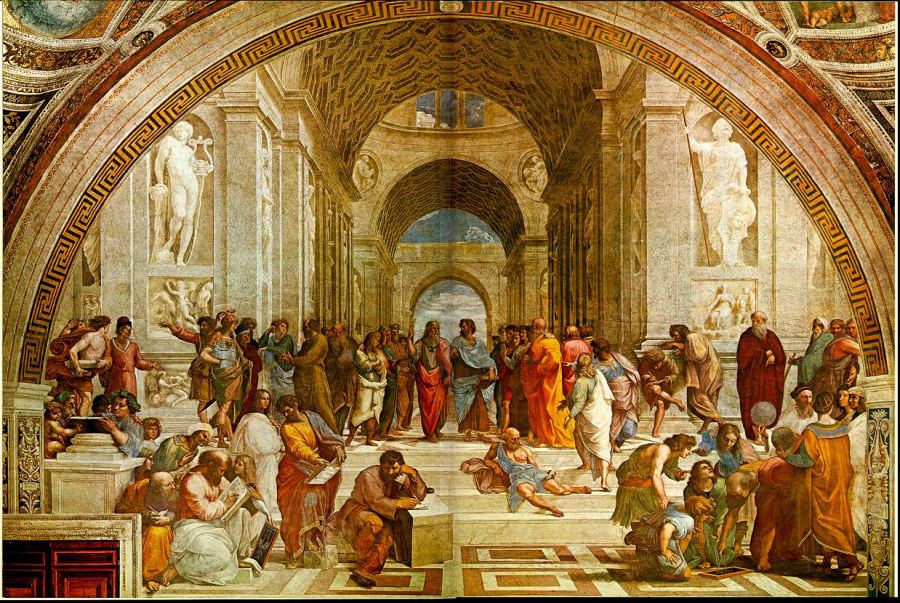 A
A
What is Philosophy?
This article argues that philosophy cannot be reduced to a fixed definition or historical account, but must be understood as an ongoing process of inquiry that seeks truth through questioning, conceptual clarification, and reflective thinking rather than ready-made answers.
Read Full Text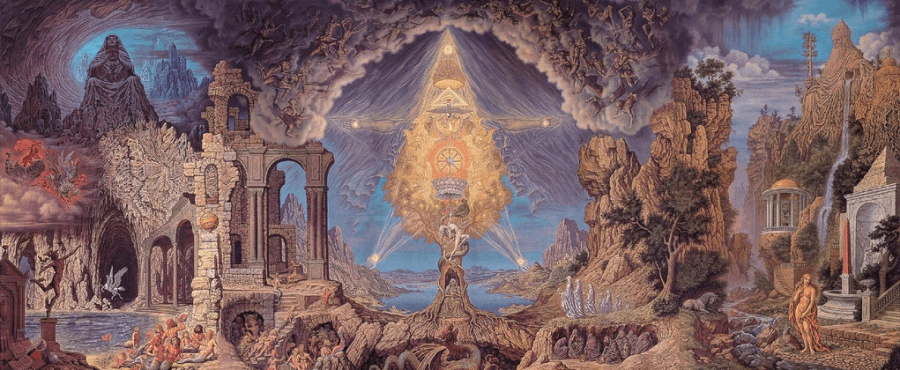 A
A
The God Model in Plato's Philosophy
This article analyzes Plato’s conception of God as an organizing and rational principle rather than a creator ex nihilo, emphasizing the role of the Demiurge, the doctrine of ideas, the immortality of the soul, and the relationship between divine order and human knowledge.
Read Full Text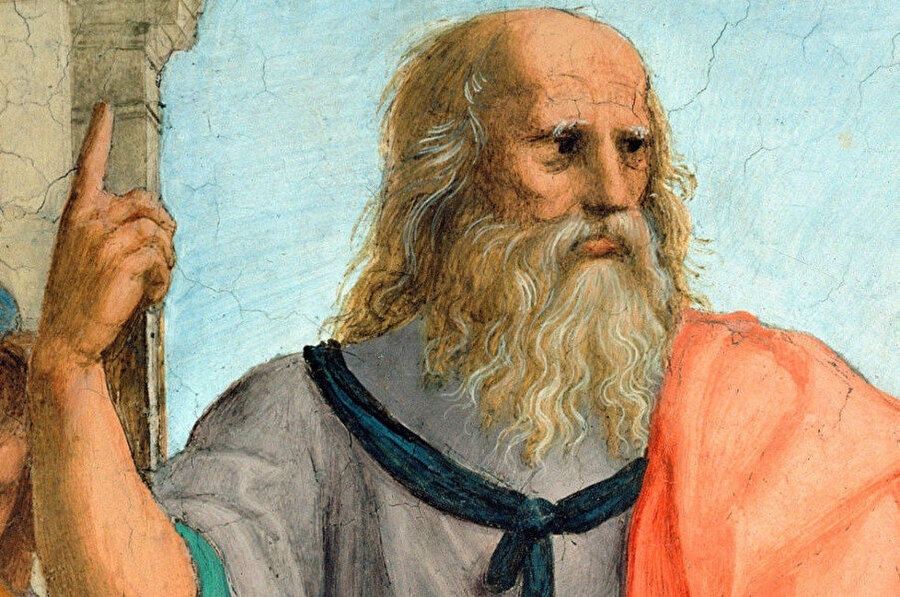 A
A
The Concept of Justice According to Plato
This article examines Plato’s concept of justice as presented in The Republic, focusing on justice as harmony within the individual soul and functional order within society, grounded in merit, balance, and the alignment of human nature with social roles.
Read Full Text A
A
The Concept of Religion According to Erich Fromm
This article examines Erich Fromm’s concept of religion, presenting religion as any shared system of orientation and devotion that gives human life meaning, and distinguishing between authoritarian and humanistic forms of religious life.
Read Full Text A
A
The Concept of Religion According to Emile Durkheim
This article examines Émile Durkheim’s concept of religion, presenting religion as a fundamentally social phenomenon grounded in the distinction between the sacred and the profane, functioning as a primary mechanism of social integration and collective identity.
Read Full Text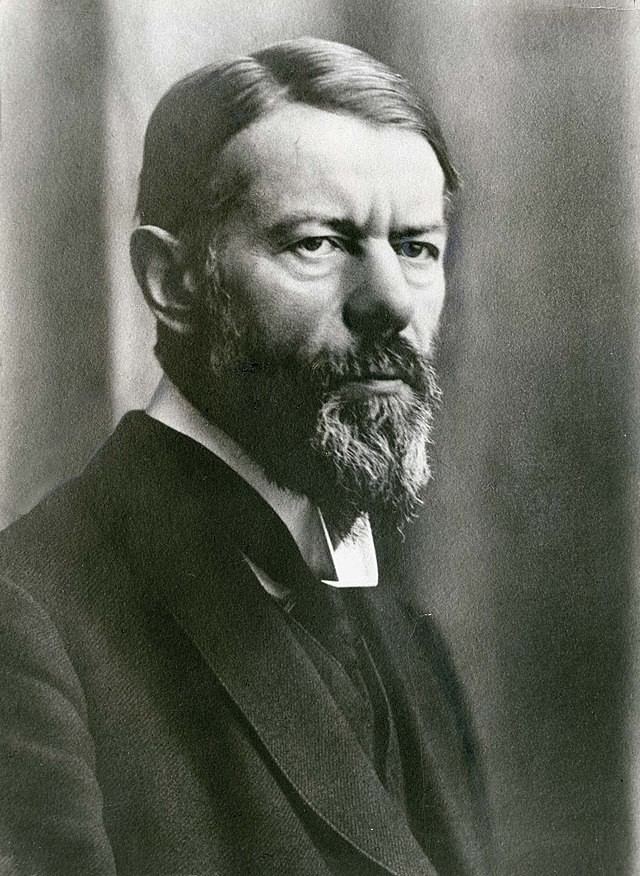 A
A
The Concept of Religion According to Max Weber
This article analyzes Max Weber’s concept of religion, presenting religion as a worldview that gives meaning to human existence and actively shapes social structures, economic behavior, and forms of rationality.
Read Full Text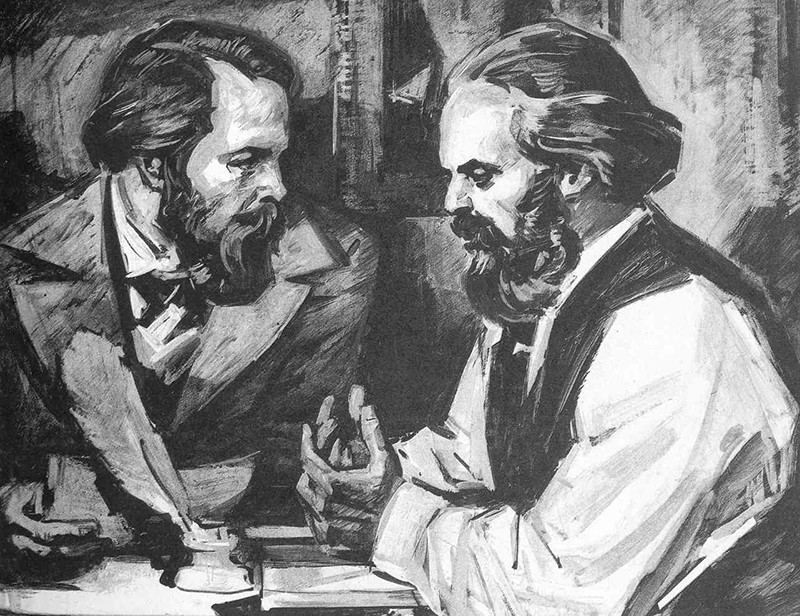 A
A
The Concept of Religion According to Karl Marx and Friedrich Engels
This article examines Karl Marx’s and Friedrich Engels’ understanding of religion, presenting it as an ideological and social phenomenon that emerges from material conditions, alienation, and class relations rather than from divine revelation.
Read Full Text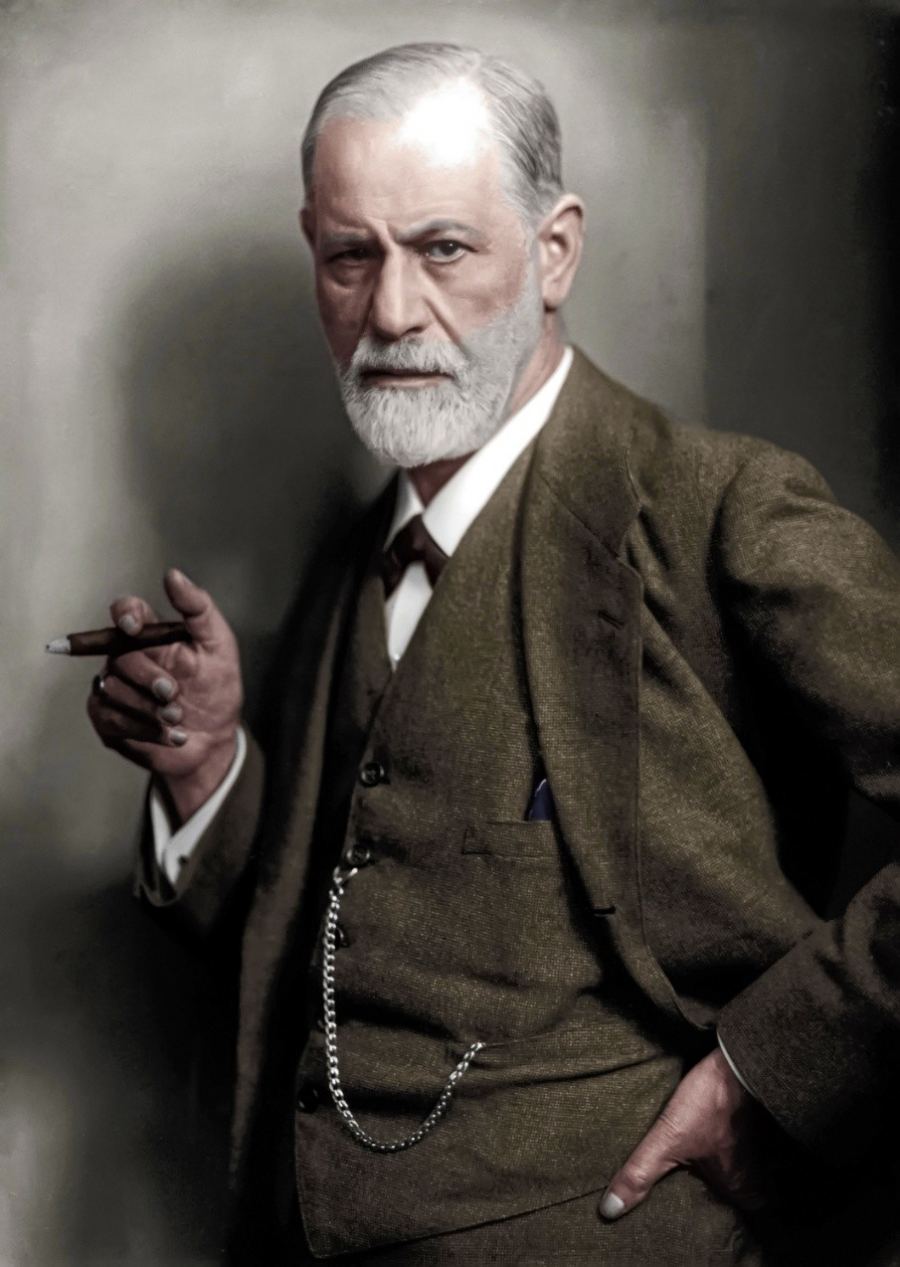 A
A
The Concept of Religion According to Sigmund Freud
This article examines Sigmund Freud’s concept of religion, presenting religion as a collective neurosis and psychological illusion arising from childhood dependency, unconscious conflict, and the human need for protection and security.
Read Full Text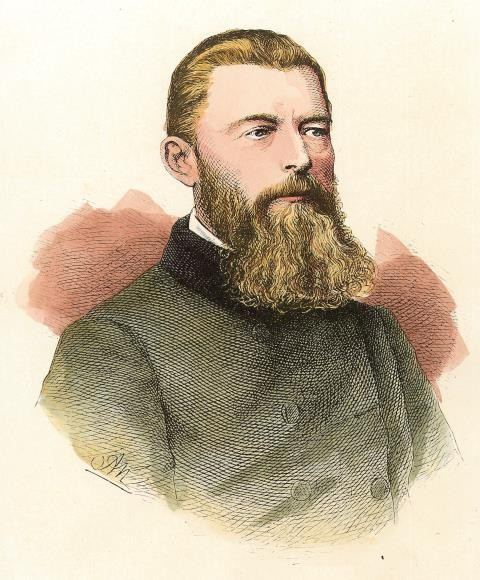 A
A
The Concept of Religion According to Ludwig Feuerbach
This article examines Ludwig Feuerbach’s understanding of religion, arguing that religion is not a divine reality but a projection of human essence, emotions, and ideals onto an imagined transcendent being.
Read Full Text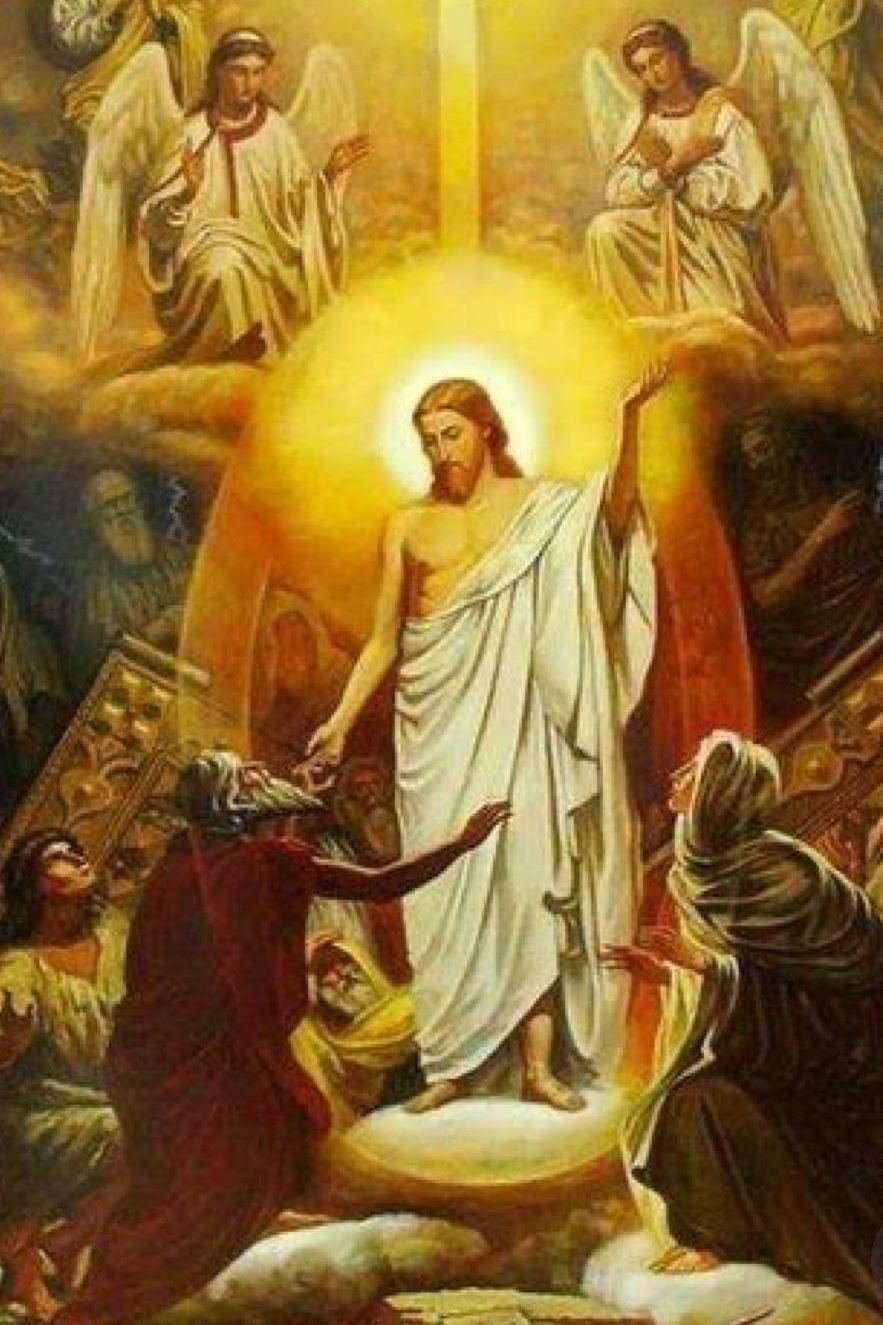 A
A
Religion and Ideology
This article analyzes the conceptual relationship between religion and ideology, arguing that both function as comprehensive worldviews and life projects, while the Qur’an distinguishes between true religion grounded in divine authority and false systems rooted in human construction.
Read Full Text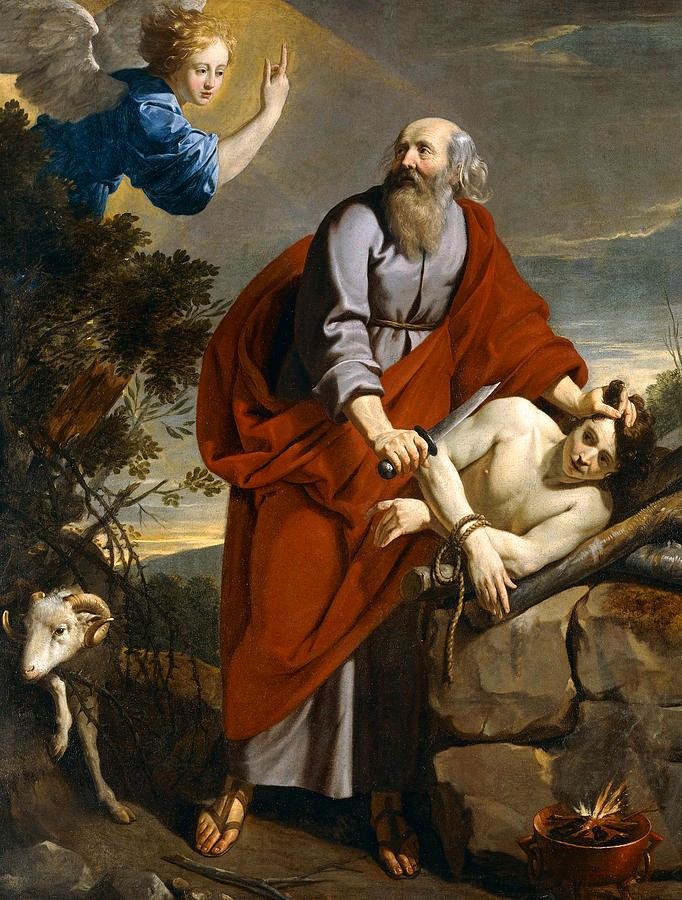 A
A
Religion and Belief
This article analyzes the relationship between religion and belief, arguing that religion functions as an objective, divinely determined system, while belief represents a subjective, individual, and experiential dimension inherent to human nature.
Read Full Text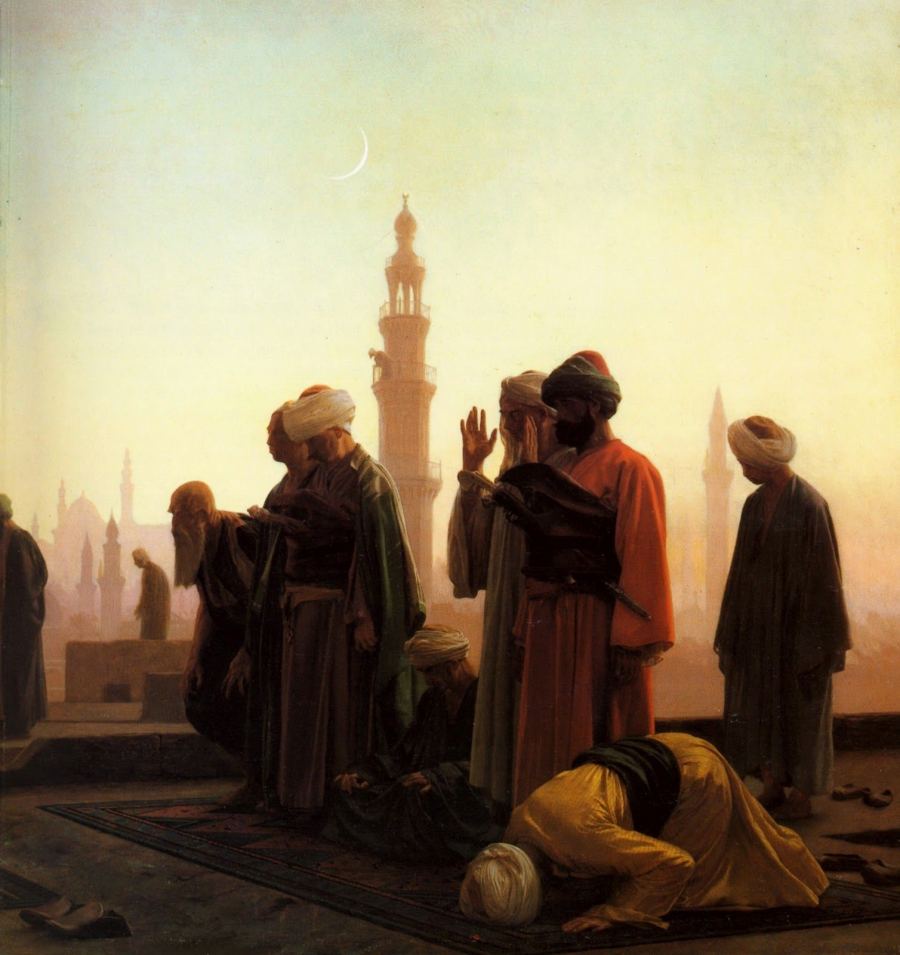 A
A
Religion in The Islamic Literature
This article examines how religion is conceptualized in Islamic literature, showing that Muslim scholars primarily define religion through Islam itself, emphasizing revelation, divine origin, and the unity of faith and practice as a comprehensive system guiding both individual and social life.
Read Full Text A
A
Religion in The Western Literature
This article examines how religion has been conceptualized in Western literature by focusing on its anthropological, psychological, sociological, and philosophical interpretations, emphasizing religion’s functional and experiential dimensions rather than its metaphysical structure.
Read Full TextGod Does Not Know Particulars; The Avicenna–Ghazālī Debate [2]
Ghazālī’s criticisms of Avicenna’s account of divine knowledge are examined through the problems of prayer, justice, prophecy, and the relationship between God’s knowledge and time.
Read Full TextGod Does Not Know Particulars; The Avicenna–Ghazālī Debate [1]
A brief philosophical examination of what is meant by the claim attributed to Avicenna that “God does not know particulars,” focusing on divine knowledge, the universal–particular distinction, and Ghazālī’s objections to this view.
Read Full Text