The Concept of Religion According to Sigmund Freud
Categories
Philosophy, Axiology, Theology, Philosophy of Religion, Philosophy of Human NatureTags
Metaphysics, Ontology, Kalām (Islamic Theology), Sociology, Value Philosophy, Moral Philosophy, Concepts, TheismSummary
This article examines Sigmund Freud’s concept of religion, presenting religion as a collective neurosis and psychological illusion arising from childhood dependency, unconscious conflict, and the human need for protection and security.
Extended Summary
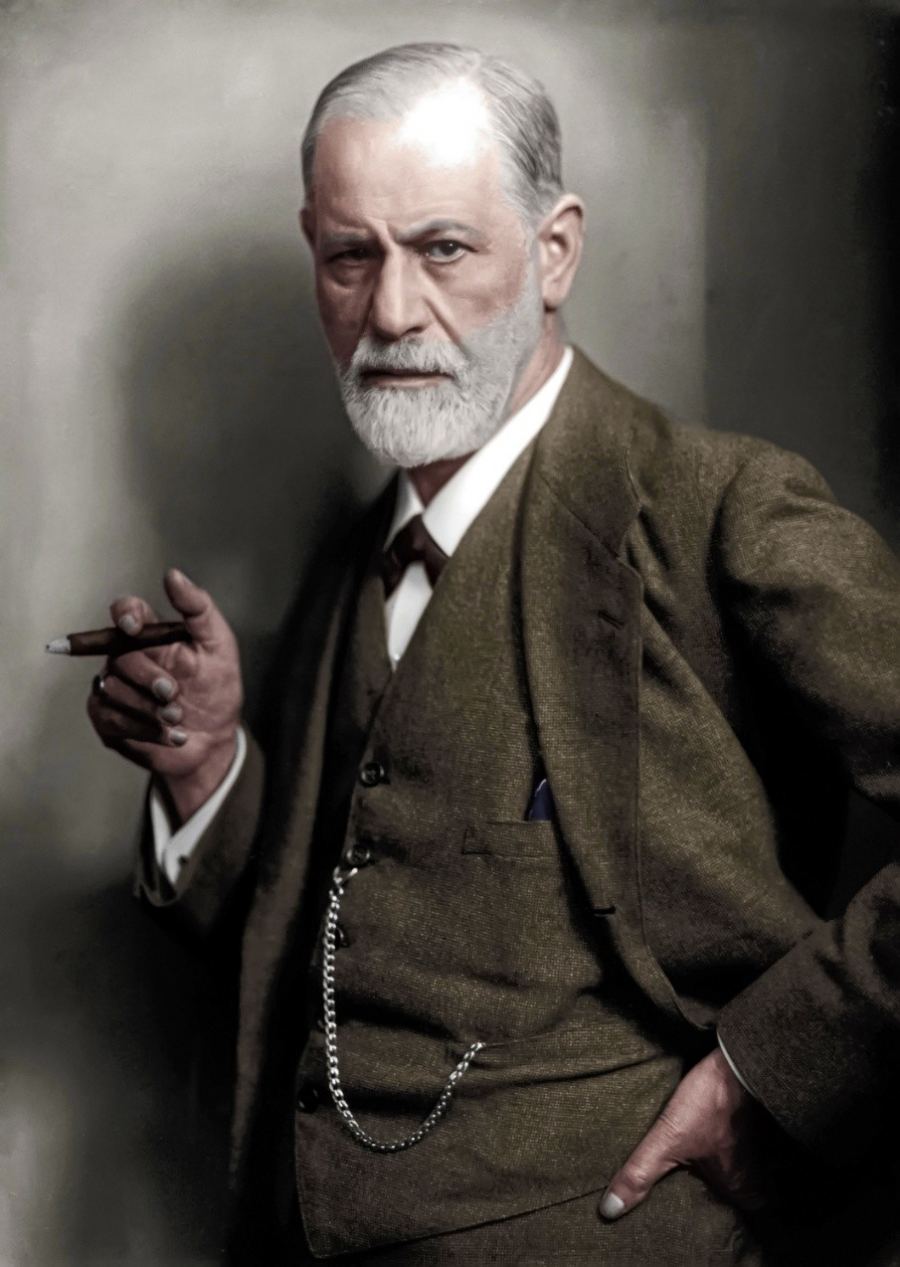
This article examines Sigmund Freud’s interpretation of religion, which constitutes one of the most influential psychological critiques of religion in modern Western thought. Freud approaches religion not as a divine revelation or metaphysical reality, but as a product of human psychology rooted in unconscious conflict, childhood experience, and emotional dependency. His analysis situates religion within the broader framework of psychoanalytic theory.
Freud characterizes religion as both a neurosis and an illusion. According to him, religious beliefs are not derived from objective truths but are created by human beings themselves. These beliefs emerge from psychic tensions, unresolved conflicts, and unconscious complexes. In this sense, religion functions as a psychological mechanism rather than a response to an external divine reality.
Central to Freud’s theory is the concept of psychodynamics. He argues that the gods or spiritual beings found in religions are symbolic representations of ancestral and parental figures. Human beings develop ambivalent feelings toward their parents, combining love, fear, dependence, and resentment. These emotional patterns are later projected onto supernatural figures, which society collectively shares and institutionalizes. As a result, religion becomes a common or shared neurosis rather than an individual pathology.
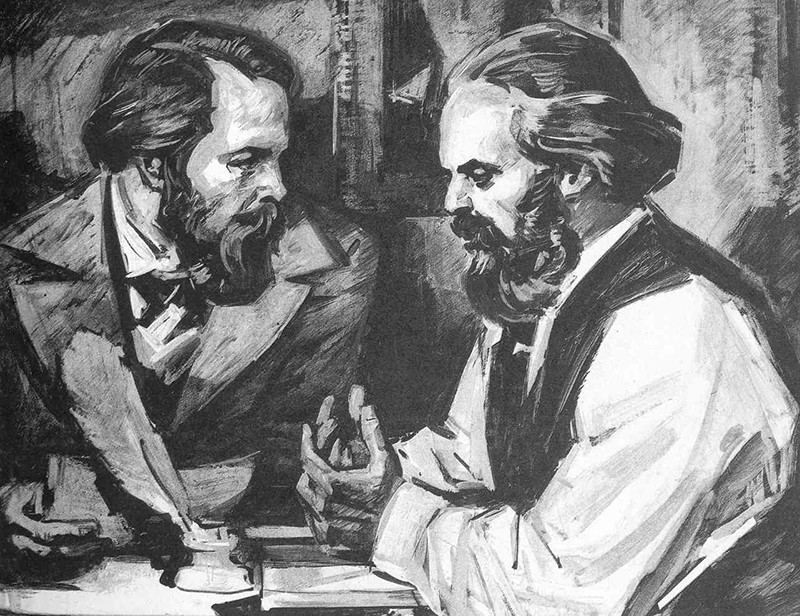
Freud acknowledges that religion performs a social function, similar to Karl Marx’s observation that religion distracts people from suffering and injustice. However, Freud differs from Marx by interpreting this function primarily as a psychological issue rather than a social or economic one. Religion, in Freud’s view, is a coping strategy that individuals adopt to manage inner conflicts and emotional distress.
To explain the origins of religion, Freud turns to childhood psychology. He argues that the earliest stage of personality development is marked by the child’s experience of absolute helplessness in a world that is incomprehensible and uncontrollable. In response to this helplessness, parents appear as omnipotent figures who provide protection, security, and the fulfillment of needs. These early experiences leave a deep imprint on the human psyche.
As individuals grow older, they encounter new threats, uncertainties, and natural forces that evoke the same feelings of vulnerability experienced in childhood. According to Freud, in such moments, human beings unconsciously return to the psychological structure of childhood. They seek once again an omnipotent protector, now transformed into the concept of God. Religion, therefore, fulfills the longing for parental shelter and absolute security under a different symbolic form.
Freud’s interpretation is further supported by insights from developmental psychology. As Erik Erikson notes, the sense of basic trust that emerges in infancy requires protection and care, and throughout history this trust has often found its institutional expression in organized religion. Religious rituals, prayers, confessions, and communal worship provide emotional reassurance, reinforce social trust, and offer individuals a sense of belonging and inner peace.
According to Freud, religious practices such as prayer, ritual, and confession serve as symbolic actions that relieve guilt, anxiety, and inner tension. However, this relief is temporary and does not address the underlying psychological causes. Religion, therefore, functions as a psychological game through which individuals attempt to resolve personality conflicts without confronting their true origins.
Freud concludes that religion represents a universal obsession rooted in humanity’s childhood stage. Just as individuals gradually outgrow childish dependencies, humanity as a whole will eventually abandon religion through scientific progress, rational thought, and intellectual maturity. In this sense, Freud views the decline of religion as an inevitable outcome of human development.
In conclusion, Freud’s concept of religion presents it as a psychological illusion originating from unconscious needs for protection, authority, and meaning. Religion is not a response to divine reality, but a manifestation of human vulnerability and emotional dependency. This interpretation profoundly influenced later secular and atheistic critiques of religion and remains a cornerstone of the psychological approach to the study of religion.
Note: You can access the full article via the links below.
Download Article Read on Academia