Ethics and Moral Philosophy
Categories
Philosophy, Axiology, Philosophy of Human NatureTags
Metaphysics, Epistemology, Philosophy of Law, Value Philosophy, Moral Philosophy, ConceptsSummary
This article explores the philosophical distinction between ethics and morality, arguing that morality is a historically and culturally embedded system of norms, while ethics is the critical and philosophical examination of these moral systems and their underlying concepts.
Extended Summary
This article examines ethics and morality as two closely related yet philosophically distinct concepts that shape human life at both individual and social levels. Human beings inevitably adopt value systems—consciously or unconsciously—that guide their relationships with other people, nature, and, in some cases, God. These value systems are commonly referred to as morality or ethics. The purpose of this inquiry is not to prescribe what ought to be, but to clarify what these concepts are and what they are not by drawing their conceptual boundaries.
In everyday usage, ethics and morality are often treated as interchangeable terms. Actions are described as ethical or unethical, moral or immoral, without careful distinction. However, when examined philosophically, this equivalence becomes problematic. The distinction between ethics and morality is not etymological but conceptual. While their linguistic origins point to customs, habits, and character, their philosophical functions differ significantly.
Morality refers to a system of values, norms, and rules that regulate human behavior within a specific society, culture, and historical period. It is shaped by traditions, customs, religious teachings, and social practices. Morality is therefore local, historical, and variable. What is considered moral in one society or era may be considered immoral in another. This variability demonstrates that morality cannot be universal in application, even if certain moral principles appear universally recognized.
Morality operates both at the individual and social levels. Individual morality is the personal moral framework a person adopts, whether consciously or unconsciously. Yet even personal morality is never entirely independent of social influence. Social morality, by contrast, provides stability and continuity. It establishes shared norms that regulate relationships and sustain social order. For this reason, political and cultural authorities often rely on existing moral structures rather than challenge them.
Ethics, on the other hand, is not a system of rules but a philosophical discipline. It is the theoretical examination of morality as a human phenomenon. Ethics does not dictate moral judgments; instead, it analyzes what moral judgments mean, how they are formed, and on what grounds they can be justified. In this sense, ethics may be described as the logic of moral judgments or critical moral philosophy.
As a branch of philosophy, ethics investigates fundamental concepts such as good and evil, virtue, happiness, duty, responsibility, freedom, justice, and value. It examines how these concepts function within moral systems and evaluates their coherence. While morality establishes norms, ethics questions and critiques them. This critical dimension distinguishes ethics from moral instruction or moral dogmatism.
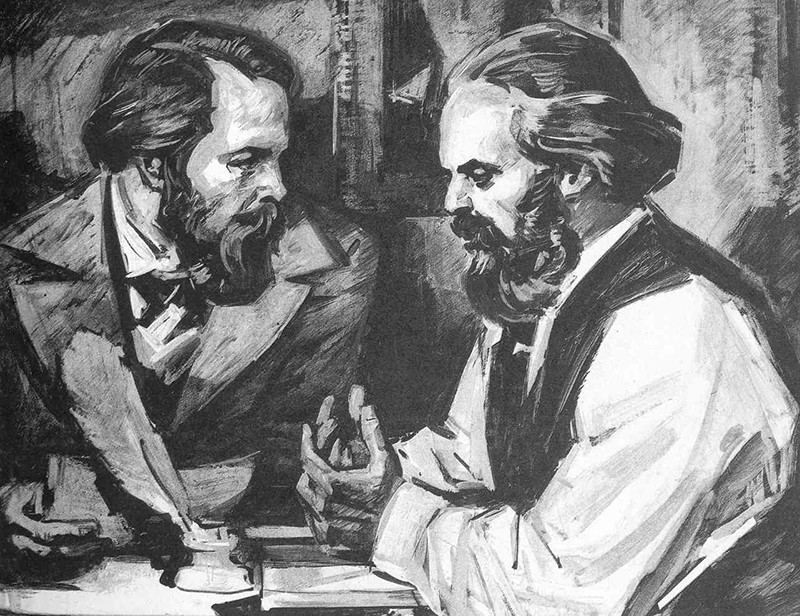
The relationship between morality and history plays a crucial role in ethical analysis. Moral systems are embedded in culture, and culture itself evolves through historical processes. As Karl Marx observed, the material and intellectual conditions of production shape cultural structures, including moral norms. Individuals are born into these structures and typically internalize them long before they become capable of critical reflection.
Religion also occupies a central place in the formation of moral systems. While non-revelatory belief systems function primarily as moral teachings, revealed religions encompass morality within a broader spiritual framework. Nevertheless, the application of religious moral principles varies across societies and historical contexts. This variation reinforces the idea that moral practice is always mediated by cultural and historical conditions.
Ethics becomes particularly significant when individuals begin to question the moral systems they have inherited. At this stage, the distinction between what is and what ought to be becomes central. The ethicist examines existing moral structures without immediately endorsing them. However, as soon as criticism is offered, the ethicist risks becoming a moralist by proposing alternative values or ideals.
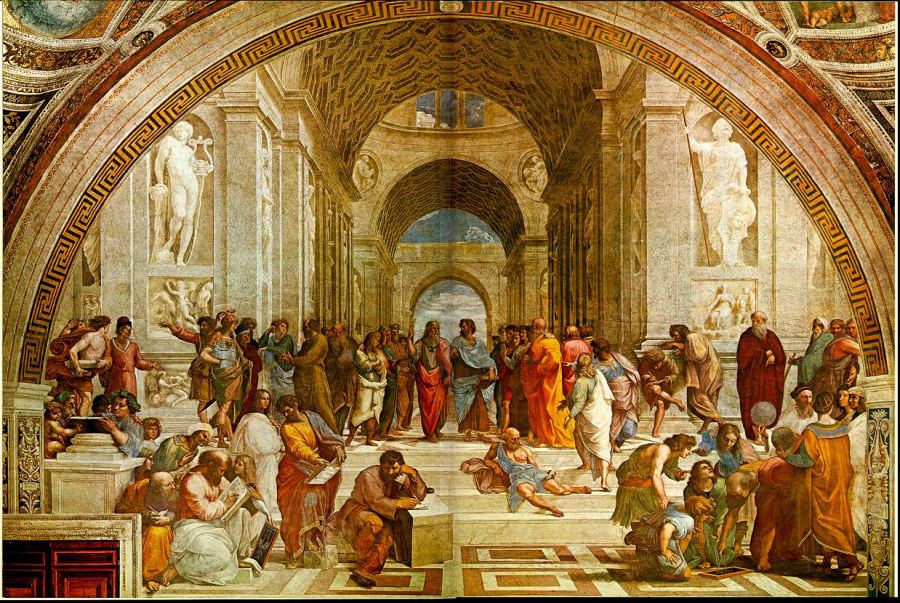
This tension explains why the roles of ethicist and moralist are difficult to separate. Philosophers such as Aristotle, Kant, and Kierkegaard exemplify this dual role. While they critically analyzed existing moral systems, they also sought to construct new ethical frameworks oriented toward ideals such as virtue, duty, or authentic existence.
Aristotle’s ethical philosophy illustrates this dynamic clearly. He rejected the idea that moral knowledge alone is sufficient for moral excellence. Unlike theoretical sciences, ethics concerns becoming rather than knowing. To know what virtue is does not make one virtuous; virtue must be practiced and embodied. Ethical education, therefore, involves the cultivation of character rather than the mere accumulation of knowledge.
Education plays a decisive role in ethical development. However, ethical education is not limited to external instruction. As thinkers such as Jiddu Krishnamurti have argued, genuine education involves self-education—the conscious effort to examine one’s values, motives, and actions. Virtue cannot be imposed; it must be achieved through individual commitment.
In conclusion, morality and ethics represent two distinct but interdependent dimensions of human life. Morality consists of lived practices, norms, and values shaped by culture and history. Ethics is the philosophical examination of these practices, seeking clarity, coherence, and justification. While morality is local and historical, ethics as a discipline aspires to universality through critical reflection. Understanding this distinction is essential for navigating moral life consciously and responsibly.
Note: You can access the full article via the links below.
Download Article Read on Academia